

Education spotlight: Transanal irrigation for constipation
Supported by ALTURiX

Enuresis – empowering informed choice
The NHS Long Term Plan (2025) emphasises individuals’ rights to make choices, which is one of the six key components of personalised care. Informed choice is fundamental to the NHS values of respect and dignity,
focusing on placing patients at the centre of care.
This webpage aims to assist healthcare professionals in implementing clear, accessible communication and shared decision-making in their clinical practice. By doing so, informed choice will become a reality, leading to
improved adherence and quality of care, more efficient use of NHS resources, and greater job satisfaction for healthcare providers

Informed choice refers to the process in which individuals, including children and their families, receive comprehensive information about the various options available for their assessment and treatment. They are actively engaged in deciding which intervention is the best fit for them at that moment.
The accompanying short video provides a more detailed explanation of informed choice. It covers the components of informed choice, its benefits, how it aligns with NHS values, and how it enhances adherence to treatment plans.

The short video explains how to provide informed choices to children and families. It discusses the important factors to consider when offering informed choices, including outlining the potential benefits and risks of any available options.
As an example, the video uses the treatment of bedwetting with desmopressin to illustrate how informed choice can be effectively facilitated for children and their families.

The short video emphasises the importance of effective communication in helping children and families make informed choices. It outlines how to identify and incorporate the values, priorities, and concerns of children and families into the decision-making process.
Using the example of desmopressin, the video illustrates how informed choice enhances understanding of treatment options, improves treatment adherence, and optimises the use of NHS resources, all while ensuring the highest quality and most effective patient care.

This comprehensive, evidence-based article is designed for practice nurses and is suitable for any healthcare professional who works with children or teenagers affected by enuresis. It emphasises that enuresis is a treatable condition and discusses the negative impacts it can have on both the child and their family.
The article covers the prevalence, causes, comorbidities, and interventions that should be considered. Additionally, it provides references to NICE guidance and other relevant resources.
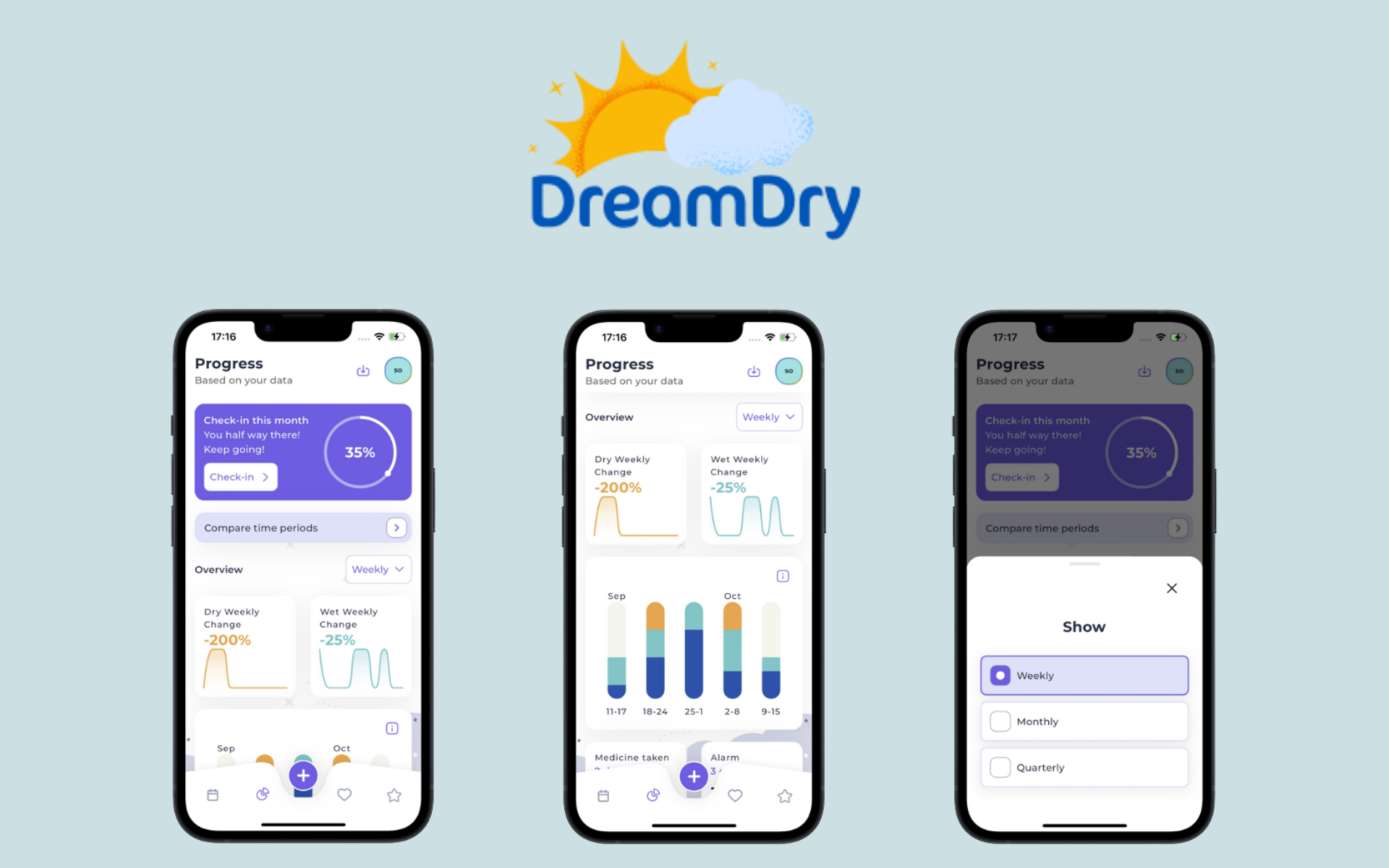
DreamDry is a free app available on both the Google Play Store and the Apple App Store. It is designed to assist children affected by enuresis, along with their families, in tracking their progress.
The app features a daily diary entry option, allowing families to record relevant information that can be shared with their healthcare professionals. Additionally, it offers helpful information and advice, and users can earn awards for completing their diary entries each day.

Enuresis, commonly known as bedwetting, is one of the most frequent medical issues affecting children. For some, it tends not to resolve on its own, particularly among those who experience the most severe cases.
It is essential for healthcare professionals to understand the causes of this condition, as this knowledge enables them to provide tailored explanations to those affected. This understanding allows families to make more informed decisions regarding treatment options.

For some children and teenagers, first-line lifestyle advice may be enough to improve or resolve enuresis (bedwetting). Behavioral adjustments to reduce the likelihood of bedwetting can be implemented at any age, even for children under five years old.
The information provided here offers suggestions for families to consider, along with the reasoning behind them.

If simple lifestyle changes do not resolve enuresis, proactive treatment options like an alarm or medication should be considered for children who are five years old or older.
This information outlines how the two main treatment options, enuresis alarms and desmopressin, work and offers guidance for finding additional resources.

The Bladder & Bowel UK children’s and families’ information library offers a wealth of information on various bladder and bowel issues, along with interventions to assist. The resources are free to access, and all the information can be downloaded and printed.
A comprehensive section on enuresis is included, providing valuable information for both children and their families.

The Bladder & Bowel UK information library for teenagers and young adults offers a wide range of resources on bladder and bowel issues, as well as interventions to help manage these conditions.
The library is free to access, and all the information can be downloaded and printed. It includes a comprehensive section on enuresis, providing guidance on topics such as managing bedwetting during menstrual periods and handling incontinence during trips away from home.

Desmopressin is a medication often prescribed to help manage bedwetting in children aged five years and older.
This leaflet offers information for parents and caregivers, including an overview of desmopressin, the various formulations available, how it works, and instructions for administration. The leaflet is free to download and print, and it can be shared with families.

This guide for healthcare professionals outlines when desmopressin should be considered as a treatment option for enuresis (bedwetting). It specifies the appropriate circumstances for its use in children and teenagers, as well as situations in which it should not be used.
The guide includes instructions for administration, highlights the different available formulations, and offers guidance on when to consider reducing the dose or discontinuing treatment. Additionally, it provides advice to improve the chances of achieving dry nights.
As with all Bladder & Bowel UK resources, this information is free to download and print.

Children’s continence care pathways: level 1 and level 2
Functional bladder and bowel conditions, where there are no identifiable differences in anatomy, physiology, or histology, often occur together in children and teenagers. Therefore, when a child/teenager presents with a bladder issue, it’s important to also enquire about any bowel problems they might have, and vice versa.
The care pathways suggest how children and teenagers should navigate services from their initial presentation to discharge. Level one pathways are intended for general services such as health visiting, school nursing, practice nursing, and general practitioners (GPs). In contrast, level two pathways are tailored for specialised children’s bladder and bowel services.
The children’s bladder and bowel resource pack is designed to assist healthcare professionals who work with children and teenagers in the community. Its purpose is to provide first-line support for those experiencing bladder and/or bowel health issues.
The resource pack includes materials focused on safeguarding children with bladder and bowel concerns, promoting bladder and bowel health, encouraging continence in individuals with bladder and/or bowel symptoms, and addressing delays in toileting skills development.
Additionally, it offers tools to conduct comprehensive assessments and provides management suggestions.