

Supported by

Children’s Health Resource
Bedwetting in Children
(Nocturnal Enuresis)
Bedwetting (nocturnal enuresis) is a medical condition where children’s bladders cannot hold onto their urine (wee) when they are asleep. It affects about 500,000 children in the UK.
Resource author: Davina Richardson RGN RSCN BSc (Hons), Children’s Specialist Nurse
Clinically reviewed
Last updated June 2026
Source: Bladder & Bowel UK
www.bbuk.org.uk
Contents
How common is bedwetting in children?
Bedwetting — medically called nocturnal enuresis — is extremely common and is considered a medical condition after the child’s fifth birthday. It affects approximately one in five 5-year-olds and around one in ten 7-year-olds. It can also affect older children and teenagers.
It is important to understand that children do not wet the bed because they are lazy or naughty. Punishment makes the problem worse. Bedwetting is caused by a problem with how the body makes and stores urine (wee) during sleep. Effective treatments are available.
Stats
Around 1 in 5 five-year-olds (20%) and 1 in 10 seven-year-olds (10%) in the UK wet the bed — approximately 500,000 children (NICE CG111).
Fact
Bedwetting can run in families. If a parent or close relative wets the bed, their child is more likely to do so too.
What causes bedwetting in children?
There are two main reasons why children wet the bed, and both involve the bladder being unable to hold urine overnight— either because too much urine is produced, or because a normal amount is made but the bladder cannot hold enough.
Producing too much urine at night
During sleep, the brain releases a hormone called vasopressin, which tells the kidneys to make less urine. Some children do not produce enough vasopressin, so their kidneys continue making as much urine at night as they do during the day. If the child is unable to wake up to their bladder signals, their bladder will empty while the child is asleep, causing bedwetting.
The bladder cannot hold enough urine overnight
If a child’s bladder is smaller than it should be for their age, or if their bladder has an overactive wall that twitches during filling, they may not be able to hold all the urine that is made while they are asleep. Many, but not all, children with overactive bladder walls have some daytime symptoms: urgency (a sudden, pressing need to go), frequency (going to the toilet more than seven times daily), or damp or wet underwear.
Why don’t children just wake up?
All children who wet the bed are unable to wake when their bladder needs to empty. If they could wake up, they would simply go to the toilet.
Other possible causes
- Constipation — a full rectum presses on the bladder, reducing how much urine it can hold overnight.
- Drinking too much before bed — a large fluid intake in the evening increases the amount of urine produced overnight.
- Not drinking enough during the day — the bladder becomes used to holding smaller volumes and shrinks over time.
- Caffeinated or fizzy drinks — tea, coffee, cola, chocolate drinks, and energy drinks irritate the bladder lining and may make wetting worse.
- Urinary tract infection (UTI) — an infection irritates the bladder and causes it to empty more frequently.
- Family history — bedwetting often runs in families.
Rarely, there is an underlying medical cause — see section below.
Does bedwetting go away on its own?
Bedwetting often does not go away on its own — without treatment, many children continue wetting into late childhood, their teens, and occasionally adulthood. Children who wet the bed every night or most nights are the least likely to improve without active treatment.
It used to be thought that stress or psychological problems caused bedwetting. In reality, the opposite is often true: bedwetting itself can cause significant stress and emotional difficulties for children and families. It is therefore important not to wait and hope the problem resolves, particularly if a child is distressed by it.
All children and young people with bedwetting should be offered a bladder and bowel assessment, and treatment options should be discussed whenever the wetting is worrying or upsetting for the child or family.

What lifestyle changes help with bedwetting?
The lifestyle changes that help most with bedwetting are drinking well and regularly during the day, stopping drinks an hour before bed, avoiding caffeine, using the toilet immediately before sleep, and treating any constipation.

Drink enough in the day
Aim for about 1.5 litres of water-based drinks spread across the day for primary-school-aged children (more for teenagers, active children and if the weather is hot). Regularly not drinking enough causes the bladder to get smaller.
Drink every two hours
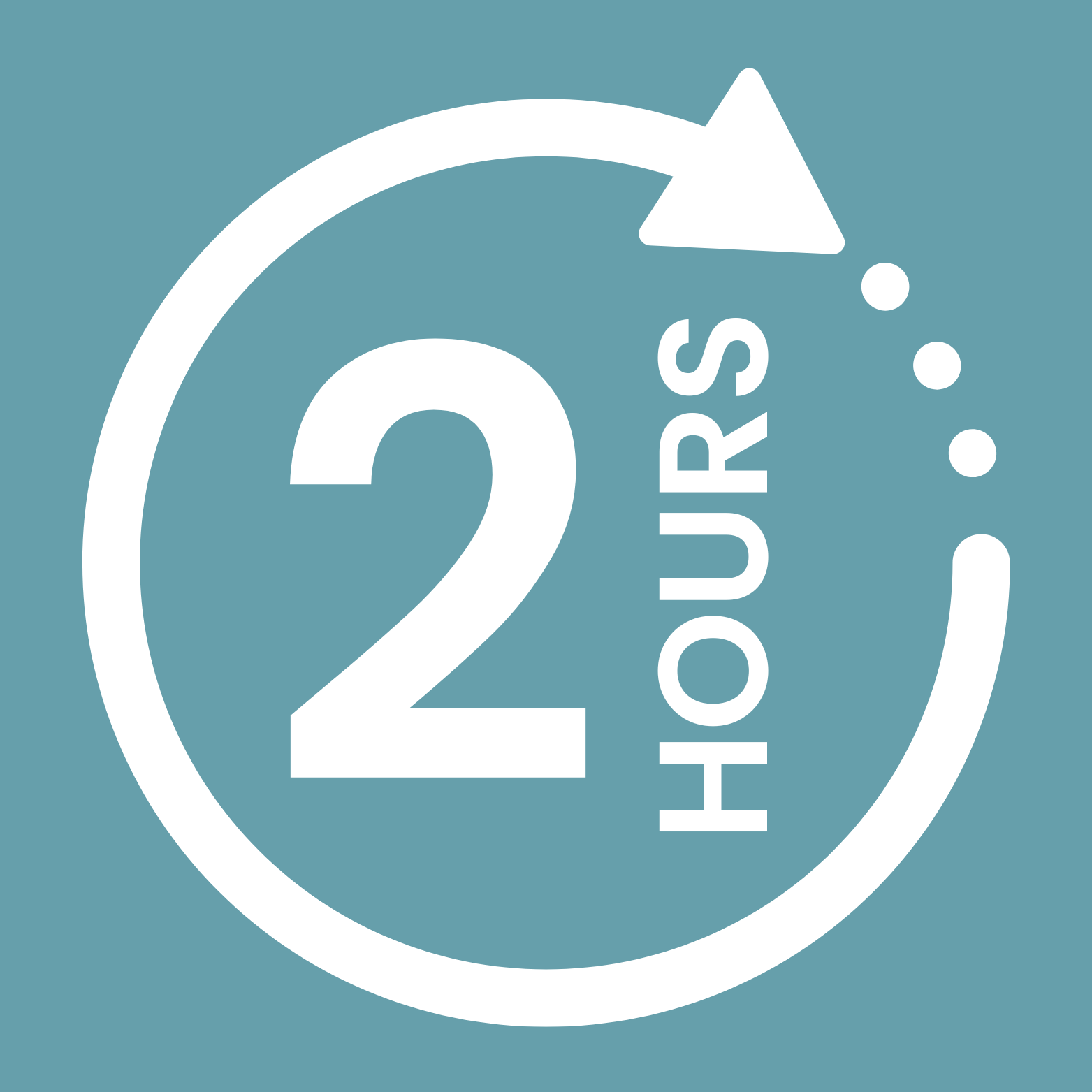
Space drinks evenly throughout the day. Children should have a drink roughly every two hours from waking until an hour before bed. Try to include three drinks during school hours.

Stop drinks an hour before bed
Avoid all drinks and any food that is high in protein or salt for an hour before bedtime. This helps to reduce the amount of urine made overnight.

Avoid caffeine and fizzy drinks
Tea, coffee, cola, hot chocolate, and energy drinks all irritate the bladder lining. Stick to water or diluted sugar-free squash.

Use the toilet before sleep
Make sure your child empties their bladder as part of their bedtime routine, immediately before going to sleep.

Good bedtime routine
A regular time to go to sleep and no electronic screens in the hour before sleep. Some research suggests that this may help reduce bedwetting.

Treat constipation
If your child is constipated, treating it may improve bedwetting. Ask your healthcare professional for advice.

Avoid lifting or waking
Do not wake or lift your child to use the toilet if they are not already awake — this does not teach the bladder to hold on overnight.
What does a bedwetting assessment involve?
A bedwetting assessment involves keeping a bladder diary, a bedwetting chart and a record of bowel movements, followed by a discussion with a bladder and bowel nurse or a school nurse about your child’s health, symptoms and toilet-training history.
- Keep a bladder diary for 2–3 days — recording what and how much your child drinks, and how much urine they pass each time they go to the toilet.
- Keep a bedwetting chart for 7–14 days — noting bedtimes, and wet or dry nights.
- Record your child’s bowel movements for 7-14 days, as constipation is a common contributing factor.
The nurse will also ask about your child’s general health, toilet training history, daytime bladder symptoms (such as urgency – a sudden and desperate need to use the toilet, frequency – going to the toilet more than seven times a day, or damp or wet underwear), and any relevant medical history.

Note: Be open about any daytime symptoms, too. Telling the nurse about damp or wet underwear during the day will help them identify the most likely cause and the best treatment.
What treatments are available for bedwetting?
The two main evidence-based treatments are desmopressin (medication) and an enuresis alarm.
Desmopressin is a synthetic (man-made) form of vasopressin. It signals to the kidneys telling them to make less urine at night. It is available as:
- A melt — placed under the tongue at bedtime, dissolving quickly without needing a drink.
- A liquid – a small amount of medicine taken at bedtime
- A tablet — swallowed at bedtime.
Important desmopressin rule
Because desmopressin reduces the kidneys’ ability to produce urine, your child must not drink for one hour before taking it and for eight hours afterwards. Drinking during this period can cause too much water to be held in the body, which may make your child unwell. They also must not take it if they are unwell with diarrhoea, vomiting or a raised temperature. This is not optional — follow the guidance precisely.
While desmopressin may work well for many children, it usually works best for those whose bedwetting is mainly caused by making too much urine at night. It usually works within the first few nights of taking it.
When should I take my child to the doctor about bedwetting?
You should see a doctor about bedwetting if your child is five or over and wets the bed two or more nights a week, if bedwetting starts again after a dry period, or if your child seems unwell.
- Your child is aged five or over and still wetting the bed two nights most weeks or more— bedwetting at this age is a treatable medical condition; ask for a referral to the children’s bladder and bowel service.
See your GP if:
- Bedwetting starts suddenly after your child has been dry at night for several weeks or months — bedwetting that starts after being dry at night can indicate an underlying medical cause and should always be discussed with a healthcare professional.
- Your child is unwell alongside the bedwetting — symptoms such as pain when passing urine, smelly urine, or general unwellness alongside bedwetting may point to a urinary tract infection or another condition.
Your child’s GP or school nurse can provide initial support and refer to a local specialist children’s bladder and bowel or enuresis service for further assessment where needed.
Glossary of key terms
The following terms appear throughout medical conversations about bedwetting. Understanding them helps when talking to healthcare professionals.
Nocturnal enuresis
The medical term for bedwetting —passing urine during sleep. It is considered a medical condition in children aged 5 and over.
Vasopressin
A hormone produced by the brain during sleep that signals the kidneys to make less urine overnight. Some children do not produce enough vasopressin, leading to them making more urine at night than their bladder can hold.
Desmopressin
A synthetic (man-made) version of vasopressin, taken as a melt, liquid or tablet at bedtime to reduce overnight urine output. Children must not drink for one hour before taking it and for eight hours after. They must not take it on nights where they are unwell with diarrhoea, vomiting or a raised temperature
Enuresis alarm (bedwetting alarm)
A device that senses moisture, and makes a noise when wetting begins. It usually needs to be used every night for several weeks. It either teaches children to wake up when they need to empty their bladder, or to stay dry overnight without needing the toilet.
Urgency
A sudden, intense, need to pass urine. It occurs when the bladder wall contracts (tightens) suddenly and unexpectedly during filling.
Frequency
Passing urine more often than usual. Most children over age 4 pass urine 5–7 times a day; 8 or more times a day is considered frequency.
Overactive bladder
A condition where the bladder wall muscles contract (tighten) suddenly and unexpectedly during filling, causing urgency and frequency. It is the most common cause of daytime bladder problems in children and often a cause of bedwetting.
Nocturnal polyuria
Production of an abnormally large volume of urine at night, usually due to insufficient vasopressin — one of the main causes of bedwetting.
Frequently asked questions
Quick answers to the questions parents and carers ask most often. Click any question to expand the answer.
No. Bedwetting is a medical condition — not a result of laziness, naughtiness, bad parenting, or emotional problems. It happens because of one or more physical factors: producing too much urine at night and/or having a bladder that cannot hold enough urine, and being unable to wake when the bladder needs to empty.
Punishing a child for bedwetting is likely to make things worse by adding anxiety and stress. Reassurance, patience, and appropriate treatment are far more effective.
Bedwetting is considered a medical condition once a child has passed their fifth birthday. Before age five, it is generally regarded as a normal part of development. If your child is five or older and still wetting the bed two nights or more a week, you should speak to your GP or school nurse and ask for an assessment.
Avoid drinks and food for one hour before bed — but do not restrict fluids throughout the day. Not drinking enough during the day causes the bladder to adapt to holding smaller amounts, which can make bedwetting worse over time.
Aim for about 1.5 litres of water-based drinks spread evenly through the day for primary-school-age children (more for teenagers). The goal is to drink well during waking hours until an hour before sleep.
No. Waking or lifting a sleeping child to use the toilet does not treat the underlying causes of bedwetting and does not teach the bladder to hold on overnight. It may keep nights drier in the short term but does not lead to lasting improvement. It can also lead to disturbed sleep, making them more tired in the day.
If your child wakes independently during the night, encourage them to use the toilet at that point. The aim of treatment is for the child to sleep through dry — either by learning to wake to a full bladder, or by producing less urine, not by relying on being lifted.
Yes — this is a common cause. When the rectum is full of stool, it presses directly against the bladder, reducing the space available for urine storage and making it harder for the bladder to hold on overnight.
Constipation can also contribute to daytime urgency, frequency, and urinary tract infections. If your child is opening their bowels fewer than three times per week, or more than three times a day, is opening their bowels when they are asleep, is soiling (stools are going into their underwear), has regular tummy aches, or only passing hard, painful or loose stools, speak to your healthcare professional. Treating constipation often leads to a significant improvement in bedwetting.
The alarm usually takes several weeks of consistent use before dry nights become frequent — it is not an immediate fix. The process works gradually: the alarm wakes the child (or their parent) when wetting begins, and over time the brain learns to either wake before the bladder empties, or hold on through the night.
Early signs that the alarm is likely to work include the child waking to the alarm and being able to finish passing urine in the toilet, wetting occurring later and later in the night, and the volume of wetting reducing.
Yes — one of the practical advantages of desmopressin is that it may work immediately, on the night it is taken, making it well suited for occasions like school trips, sleepovers, or holidays where a wet bed would be particularly distressing.
Desmopressin needs to be prescribed so speak to your child’s GP or nurse about using desmopressin in this way. Remember that the no-fluid rule must still be followed strictly: no drinks for one hour before taking the dose and for eight hours afterwards.
If it does work for your child, it can be taken for up to 12 weeks and they must then have one week without it. They can restart it if they are wet two or more nights on the week without.
If either desmopressin or the enuresis alarm alone does not achieve dryness, using both together is a recognised and often effective next step. Some children also need treatment for constipation or for daytime bladder issues to be addressed before treatment for bedwetting is successful. Ask your GP or school nurse for a referral to a local specialist children’s bladder and bowel or enuresis service if first-line treatments have not worked — specialist services can offer more tailored assessment and support.
Children with disabilities, autism or ADHD can and do experience bedwetting. It should not be assumed to be an inevitable part of their condition. All children with bedwetting deserve an assessment and a discussion of treatment options.
Bladder & Bowel UK has a dedicated resource — Understanding Bedwetting in Children with Learning Disabilities (PDF) — which provides tailored guidance.
Absorbent products (nappies, disposable pants and bed mats) help with the management of bedwetting. They protect the mattress, reduce laundry and keep children feeling dry and comfortable. They may help prevent rashes and reduce stress that may be associated with bedwetting.
You could consider a trial of up to two weeks without them to see if the bedwetting improves. If it does not, or if this is too difficult, continue to use them, but talk to your healthcare professional about assessment and treatment.
Additional resources
Where can I get further help for my child’s bedwetting?
Start with your child’s GP or school nurse. They can provide initial assessment and support, and refer to a local specialist children’s bladder and bowel or enuresis service if needed.
Additional information and support is available via the Bladder & Bowel UK helpline:
Bladder & Bowel UK Helpline | Tel:
0161 214 4591 | Email:
bbuk@disabledliving.co.uk
Bladder & Bowel UK, Burrows House, 10 Priestley Road, Manchester, M28 2LY
About us
Bladder & Bowel UK is a leading UK charitable service providing expert advice, support, and education on bladder and bowel health. We help children, young people, and adults manage conditions such as incontinence, constipation, and other continence issues through evidence-based guidance and practical resources.
Our specialist team supports individuals, families, carers, and healthcare professionals with reliable information on toilet training, bladder control, and bowel management. Through our confidential helpline, training programmes, and online resources, we aim to improve access to continence care and promote better bladder and bowel health for everyone.
At Bladder & Bowel UK, we are committed to raising awareness, reducing stigma around continence problems, and empowering people to seek help and live confidently.
About Ninjamas
Pampers Ninjamas Pyjama Pants can help children manage their bedwetting to wake up feeling dry and confident. With instant absorption technology to lock away wetness instantly, Pampers Ninjamas offer 100% all-night leak protection. Pampers Ninjamas Pyjama pants look and feel like underwear, with a 360° FormFit Belt that flexes and stretches as well as Quietcloth material for a discreet and comfortable underwear-like fit.
Resource author

Davina Richardson RGN RSCN BSc (Hons)
Children’s Specialist Nurse
Bladder & Bowel UK
Davina is a specialist children’s nurse with extensive experience across acute care, children’s hospice services, and community nursing. Throughout her career, she has supported children with complex health needs, disabilities, and life-limiting conditions. She went on to establish and lead an NHS community bladder and bowel clinic for children, and has nearly 20 years’ experience working with children affected by bladder and bowel health issues.
Davina joined Bladder & Bowel UK in spring 2015. In her role, she provides expert advice, support, and information to children, young people, and families affected by bladder and bowel conditions. She also delivers education and training to professionals working in this field.
In addition to her clinical work, Davina has contributed to peer-reviewed journals and is actively involved in research projects focused on paediatric bladder and bowel health. She plays a key role in supporting service development within the NHS.
Davina has contributed to the development of national guidance and is an active member of several national groups. She serves as Paediatric Advisor to the Association of Continence Professionals and sits on the committee of the Royal College of Nursing Bladder and Bowel Forum.
Supported by
Support
Our specialist team supports individuals, families, carers, and healthcare professionals. You are not alone!
